Jaws At 50: The Birth of the Blockbuster
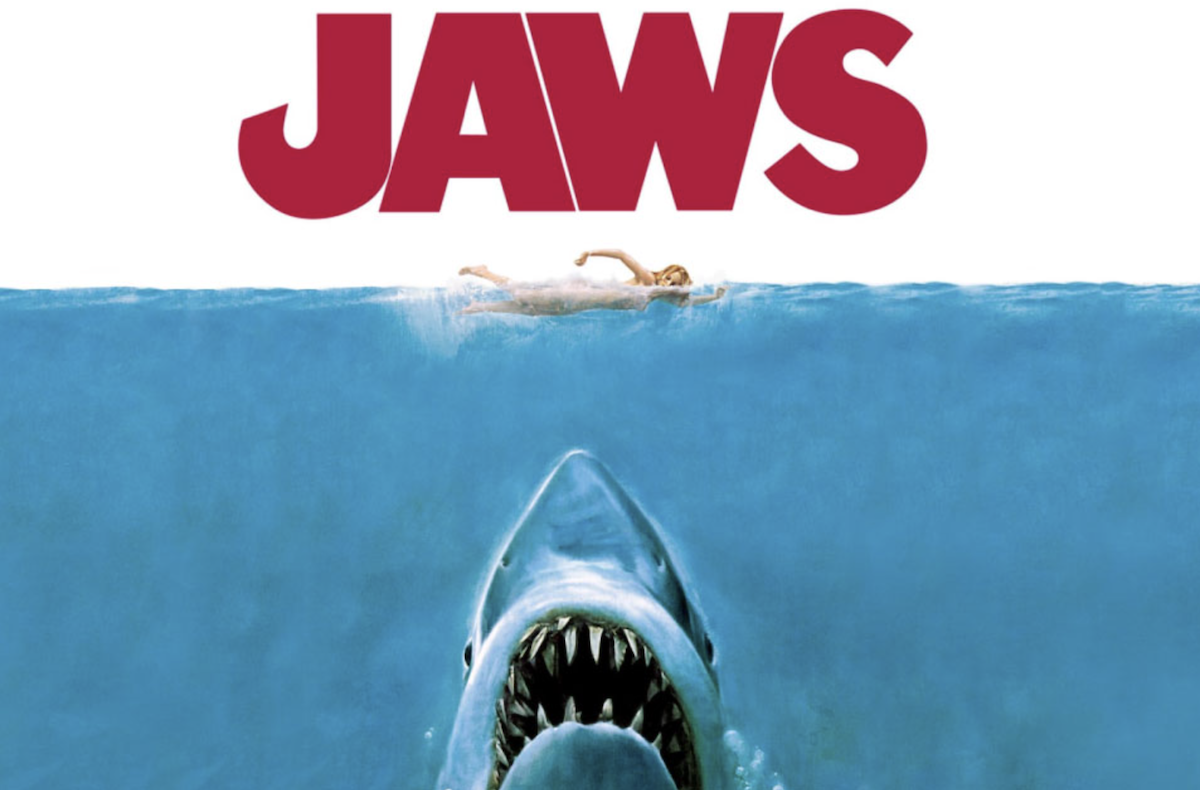
Universal Pictures
50 years ago in June, a mechanical shark changed the movie industry forever. With Jaws, Steven Spielberg didn’t just terrify audiences – he invented the summer blockbuster and rewrote Hollywood’s rulebook.
A young couple partying on the beach leaves their friends to go skinny dipping in the ocean. As the man undresses and eventually passes out on the shore, the woman dives into the sea for a swim as the sun begins to set. Enjoying the tranquil water, she’s suddenly jerked around by an unseen force. Her screams penetrate the calm before she’s pulled under the surface. Then silence. This terrifying moment is the opening scene to one of cinema’s greatest ever movies – Steven Spielberg’s epic shark flick, Jaws.
Released in June 1975, Jaws didn’t just introduce a new screen villain – it transformed how films were marketed and launched the summer blockbuster as we know it. Based on Peter Benchley’s hit novel of the same name, Jaws was directed by emerging newcomer Spielberg, whose most notable credit at that time was the road thriller, Duel.
Shot mostly on location at Martha’s Vineyard, which doubled for the fictional Amity Island, Jaws is an edge-of-your-seat thriller about a killer shark terrorising a local beach town over the Fourth of July weekend. A serial killer movie set at sea, the shark’s attacks are random and relentless. Like Michael Myers in Halloween, a film that arrived three years later, the shark in Jaws is an unstoppable killing machine, targeting everyone from children swimming in the shallows to unsuspecting fishermen. A constant current of menace runs through the film like the shark’s fin slicing through the surface, which had people thinking twice before taking a dip.
Cinematographer Bill Butler was instrumental in the look of the film. He spent most of the shoot in the water, creating a special platform that allowed him to capture the action both above and below sea level. Butler envisioned the first half of the film as bright and vibrant, creating a summer energy. As the shark hunt begins, darker tones of red and black bleed into the scenes, creating a feeling of foreboding.
Spielberg insisted on filming at sea rather than in studio tanks – a decision that led to constant technical issues, budget overruns, and a famously difficult shoot. The director’s ambitious vision as a filmmaker drew the ire of the crew, who referred to the film as “Flaws”. But watching Jaws, there is no denying his bold choice to shoot on water added to the unease of the film. The faulty sharks forced Spielberg to keep the monster mostly hidden – this proved to be a masterstroke that built unbearable suspense. The less the audience sees the shark, the more the tension ramps up until it’s finally revealed. Then there’s John Williams’ iconic score, which is just as terrifying as the shark itself. It became synonymous with dread and would be parodied for decades.
On screen, the film builds toward a climactic showdown when Chief Martin Brody (Roy Scheider) finally convinces Mayor Vaughn to give the go-ahead to close the beaches and hunt the shark down. “I was acting in the town’s best interests,” Vaughn quivers as he finally realises what they are up against. Brody enlists the help of grizzled hunter Quint (Robert Shaw), with oceanographer Matt Hooper (Richard Dreyfuss) in tow, leading to the gripping final 40 minutes that includes the famous scene where Brody first sees the size of the shark and remarks, “We’re gonna need a bigger boat,” a line that was improvised by Scheider.
At the initial test screening in Dallas, a man ran out and vomited in the lobby – a moment Spielberg recalled in the book Spielberg: The First Ten Years. That’s when the director and studio realised they had a hit on their hands. Universal spent about $1.8 million on the marketing campaign, which included a $700,000 three-day TV blitz ahead of the film’s release. Originally set to open in more than 600 cinemas across the US, studio chairman Lew Wasserman ensured it was only released in 464 cinemas initially, hoping to create demand. His decision paid off, with Jaws recording a then record $7 million opening weekend. Five days later, the film was screening in over 700 theatres, eventually grossing more than $100 million in the first two months. A box office smash, famed film critic Roger Ebert awarded it a perfect score and compared it to The Exorcist, calling Jaws “a sensationally effective action picture” and “a scary thriller”.
The legacy of Jaws continues today with the summer blockbuster, the period of the year when major studios launch their flagship titles. Once used as a dumping ground for films the studio lacked faith in, Jaws flipped the model on its head, proving audiences were keen to go to the cinema if a movie was good, no matter the time of year. Star Wars: A New Hope followed two years later and firmly established the New Hollywood era of big-budget movies released worldwide in hundreds of cinemas made by emerging directors.
Fifty years on and Jaws remains as thrilling and fear-inducing as when it first screened. Often cited by film critics and industry professionals as one of the greatest films of all time, Jaws spawned the shark genre of films, which includes three Jaws sequels and a multitude of rip-offs ranging from the good (Deep Blue Sea) to the bad (Mako: The Jaws of Death) to the downright ugly (Sharknado). The success of Jaws also launched the career of Spielberg and paved the way for director-led blockbusters like Indiana Jones and Jurassic Park. Half a century later, Jaws still rules the water – and the box office legacy it spawned shows no signs of sinking.
Jaws is available to stream via Disney+, Foxtel, Binge and 7+.